
Claudia Fernandez(클라우디아 페르난데스)
Claudia is an international student currently pursuing a degree in Psychology and Political Science in Madrid, Spain. Her interest in the intersection of international crises and their psychological effects has led her to join SCP during her semester abroad in Seoul and start advocating for different causes, such as the end of the genocide and struggle for freedom in Palestine.
스페인 마드리드에서 심리학과 정치학을 전공하고 있다. 국제적인 위기가 심리에 미치는 영향에 관심 있으며, 서울에서 교환학기를 보내는 동안 ‘팔레스타인과 연대하는 학생 공동행동’에 가입했다. 팔레스타인 집단학살 종식과 자유를 위한 투쟁을 지지하며 목소리 내고 있다.
※ 본 기고문은 영문 원문과 한국어 번역문을 함께 제공합니다. This article is presented in both English and Korean.
The disproportionate Israeli retaliation—which is also illegal under international law—to the Great March of Return is what opened my eyes to international conflicts and made me realise that being oblivious was a privilege, but staying oblivious was a disgrace. From that day, I started dipping my toes into politics, both international and domestic, and realised the many parallelisms that take place all over the world, how it’s different actors rehearsing for the same play.
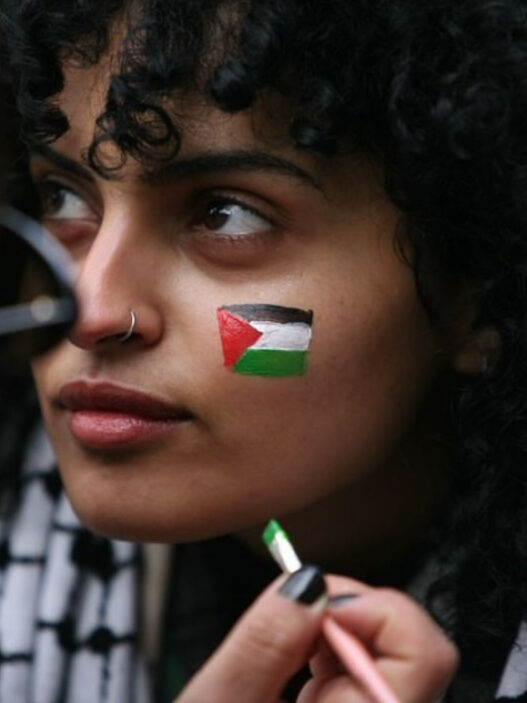
Solidarity hinges on this idea, on being able to recognise not only these patterns, but ourselves in others. Subsequently, this solidarity transcends borders and—ideally—political views in order to defend each other’s humanity. Very liberal, I know, but bear with me (I did just say solidarity should transcend political views or opinions, after all). The struggle of Palestinians, both in the Gaza Strip and in the West Bank, made me realise that the fight for freedom, recognition, and justice is universal. And a student coalition in Seoul, South Korea made me realise the true meaning of standing in solidarity.
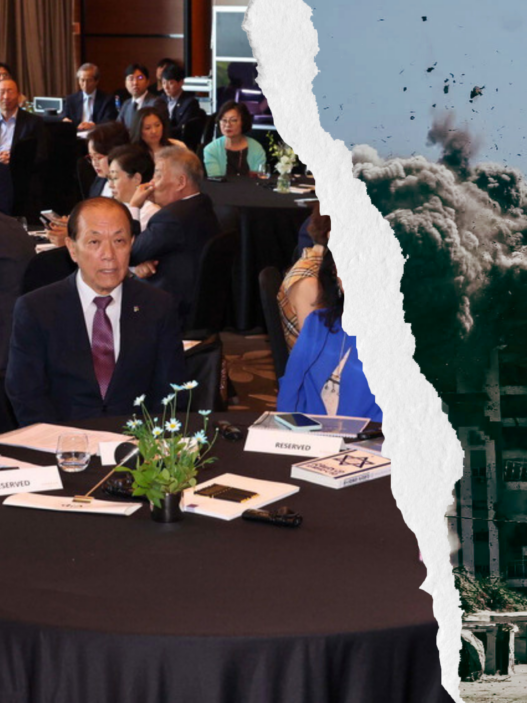
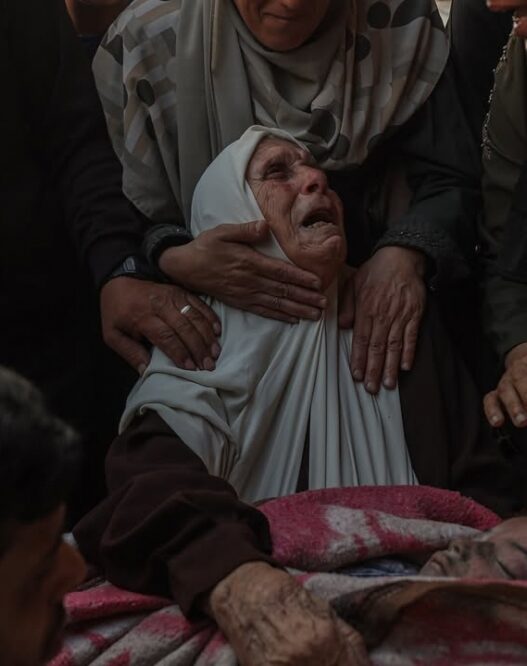
Thanks to social media, the whole world has been talking about Palestine for the past two years, which is huge after 78 years of silence and shameful, belligerent ignorance on behalf of the Western world. Similarly, the joy of the newly signed ceasefire agreement has travelled the world just as quickly. Not only have we borne witness to the tragedy and bliss of the Palestinians, the coming together of the international community is proof that solidarity goes beyond sympathy and empathy; it requires action and commitment aside from recognition of the self.
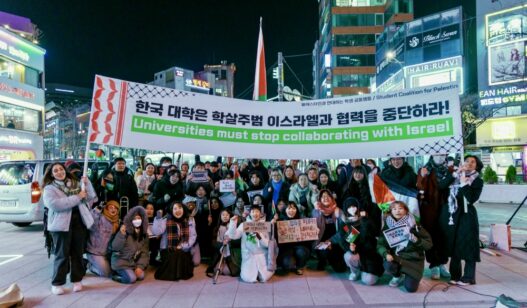
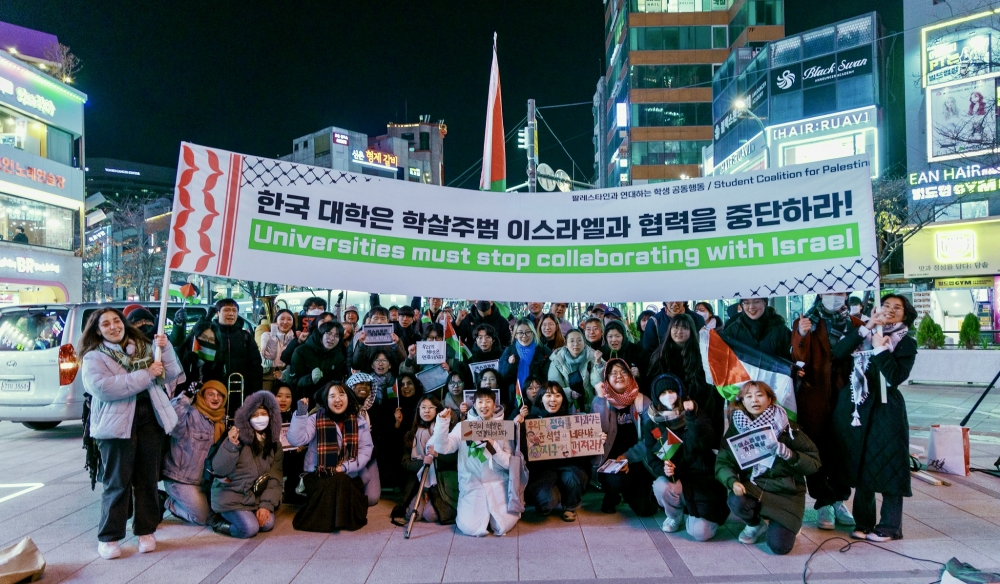
I had the honour of participating in Student Coalition for Palestine’s (SCP) workshop at Ewha University this past spring semester, where they delved into the history of Zionism, the Palestinian plight, and its connection with the liberation of Korea from the brutal Japanese occupation. The room turned into a timeless space of patience, understanding, empathy, and recognition of the horrors committed that quickly turned into the characteristic need to thrive above it and spring into action. Those workshop sessions made me realise that violence knows no nationality, ethnicity, or religion. The attempted eradication of Korean culture and the forced assimilation of its people to the imperial society was neither the first nor the last to happen, and it’s a chilling realization to fully grasp how interconnected we all are.
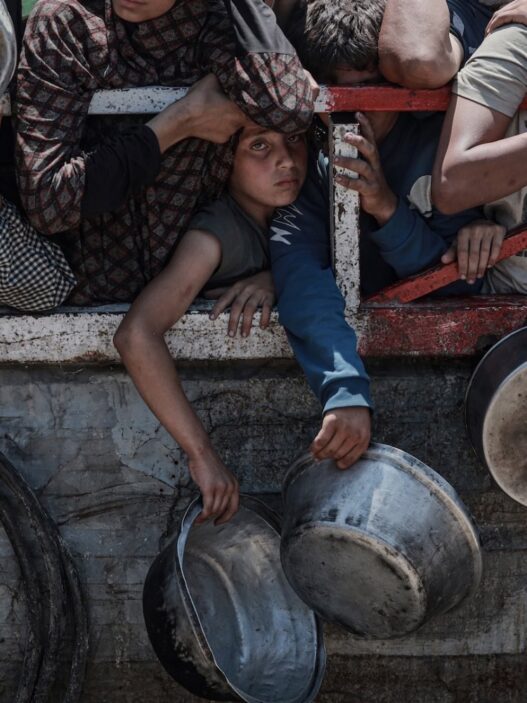
Regardless of what makes each of us stand up for Palestine, from being moved by the livestreamed famine and genocide to recognising the horrors of brutal military occupation (like a member of the workshop who spoke up about their memories under Japanese rule), what matters is our drive to action and our willingness to help stop the atrocities that continue to happen with disgraceful impunity. The newly announced ceasefire is not the end; the goal will always be free Palestine until Palestine is free. From the river to the sea, know you have our full support from all over the world.
‘위대한 귀환 행진’에 대한 이스라엘의 일방적인 군사 보복—이스라엘의 또 다른 국제법 위반이다—을 보고 나서야 난 국제 분쟁에 눈을 뜨게 됐다. 모르고 사는 게 특권일 수는 있어도, 계속 모른 척하며 사는 건 부끄러운 일이라는 걸 비로소 알게 됐다. 그날 이후 국제 정치와 국내 정치에 관심을 갖기 시작했고, 세계 곳곳에서 비슷한 일들이 반복된다는 것을 알게 됐다. 마치 배우만 바뀐 채 같은 연극이 되풀이되는 것 같았다.
연대란 바로 이런 생각에서 출발한다. 이러한 패턴을 알아차리는 것뿐만 아니라, 타인에게서 우리 자신을 발견하는 능력 말이다. 그렇게 연대는 국경을 넘고 (이상적으로는) 정치적 견해까지 초월해 서로의 인간됨을 지켜준다. 이것이 상당히 자유주의적인 접근인 것을 알고 있지만, 양해를 구한다(어찌됐든 연대는 정치적 견해나 입장을 초월해야 한다고 말했기에). 가자지구와 서안지구 팔레스타인인들의 투쟁을 보며 나는 자유와 인정, 정의를 위한 싸움이 보편적임을 깨달았다. 그리고 서울의 한 학생 연대체를 보며 연대의 진정한 의미를 알게 됐다.
소셜미디어 덕에 지난 2년간 온 세상이 팔레스타인 이야기를 했다. 서구 세계가 78년간 침묵하거나, 부끄럽게도 악의적인 무지로 일관했던 걸 생각하면 놀라운 변화다. 최근 휴전이 합의됐다는 소식에 전 세계가 함께 기뻐한 것도 마찬가지다. 우리는 팔레스타인의 비극과 환희를 지켜봤고, 국제 사회가 하나 되는 모습을 통해 확인했다. 연대는 단순히 동정하고 공감하는 것이 아님을. 타인에게서 우리 자신의 모습을 발견하고, 한 발 더 나아가 행동하고 헌신해야 하는 것임을.
지난 1학기, ‘팔레스타인과 연대하는 학생 공동행동’이 이화여대에서 주최한 워크숍에 참여할 기회가 있었다. 시온주의의 역사, 팔레스타인의 고난, 그리고 잔혹했던 일제 강점기로부터 한국이 해방된 역사와의 연관성을 깊이 파고들었다. 그 자리는 시대를 초월해 인내와 이해와 공감의 공간으로 바뀌었다. 그간 자행된 참상을 마주하는 순간, 그것은 금세 어려운 상황에 맞서 행동해야 한다는 결의로 이어졌다. 폭력에는 국적도 민족도 종교도 없음을 그곳에서 깨달았다. 일제의 한국 문화 말살과 민족 동화 정책, 이런 일은 역사상 처음도 마지막도 아니었다. 우리가 얼마나 깊숙이 연결돼 있는지 살갗으로 느끼는 순간, 전율이 일었다.
우리가 팔레스타인과 함께하는 이유는 다양하다. 생중계되는 기아와 학살에 마음이 움직였을 수도, (일제강점기 시절의 기억을 나눠준 워크숍 참가자처럼) 잔혹한 군사 점령의 참상을 알아봤을 수도 있다. 중요한 건 행동하려는 의지, 뻔뻔하게 계속되는 만행을 멈추겠다는 각오다. 최근 발표된 휴전은 끝이 아니다. 팔레스타인이 진짜 자유로워질 때까지, 우리의 목표는 언제나 팔레스타인 해방이다. 요르단 강부터 지중해까지, 전 세계가 팔레스타인을 굳건히 지지하고 있음을 기억하라.